How to help
©Marco Colombo/The Wild Line
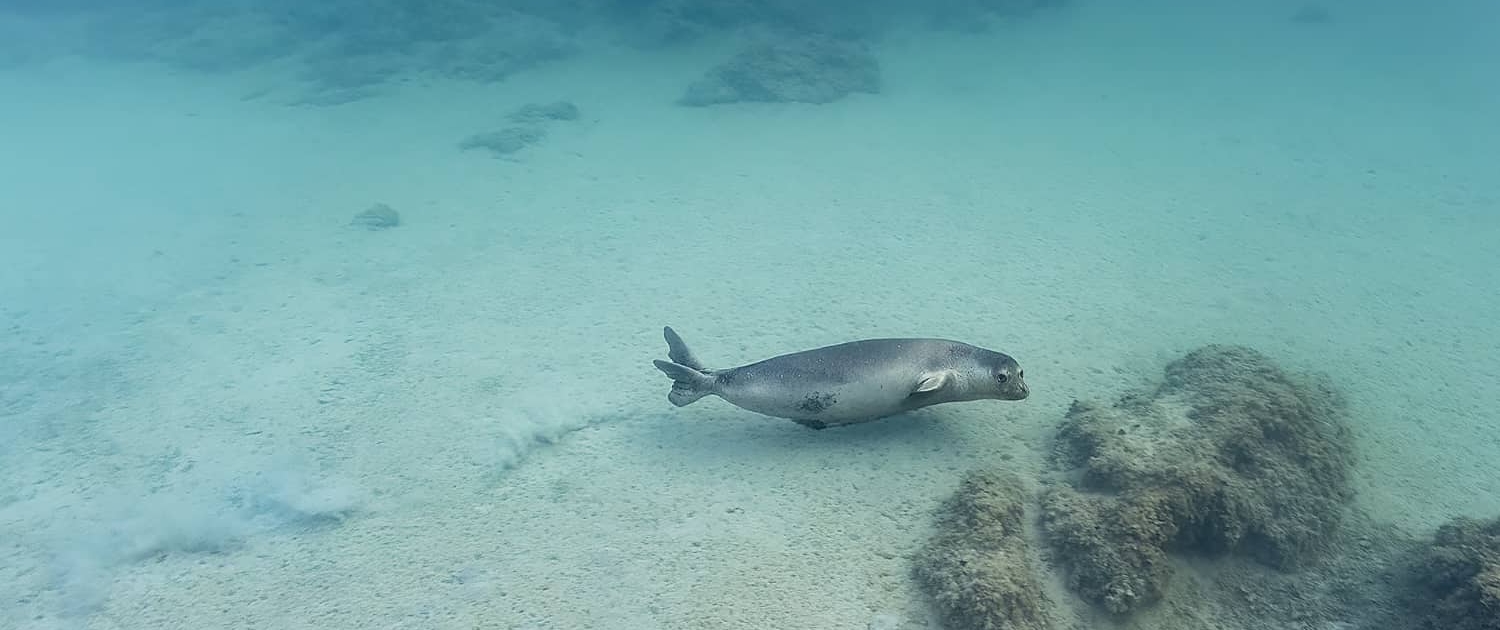
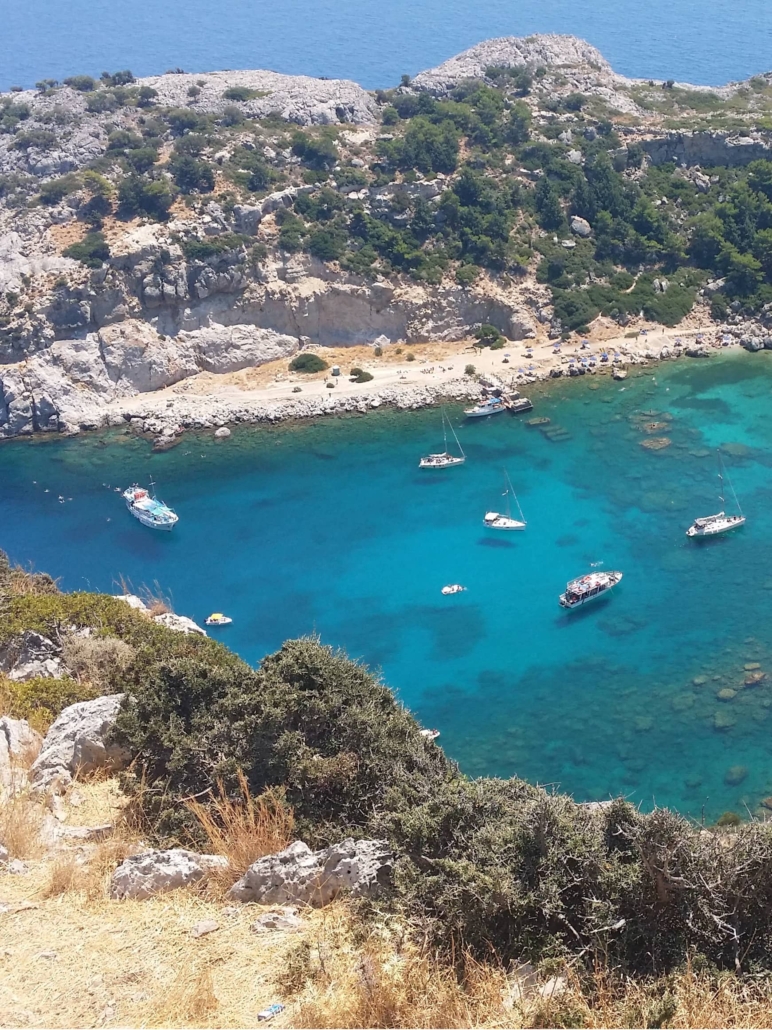
The Greek coastline is home to rare marine wildlife, including the critically vulnerable Mediterranean monk seal. As sailing and yacht tourism grow, our impact on these fragile ecosystems increases—especially in once-secluded coves and sea caves.
During the monk seal pupping season (June to September), noise, anchor chains, drones, and swimmers can cause mothers to abandon pups or avoid safe habitats altogether. Even sharing geo-tagged locations online can unintentionally direct crowds to these vulnerable areas.
©Nicolas Bschor/Pixabay
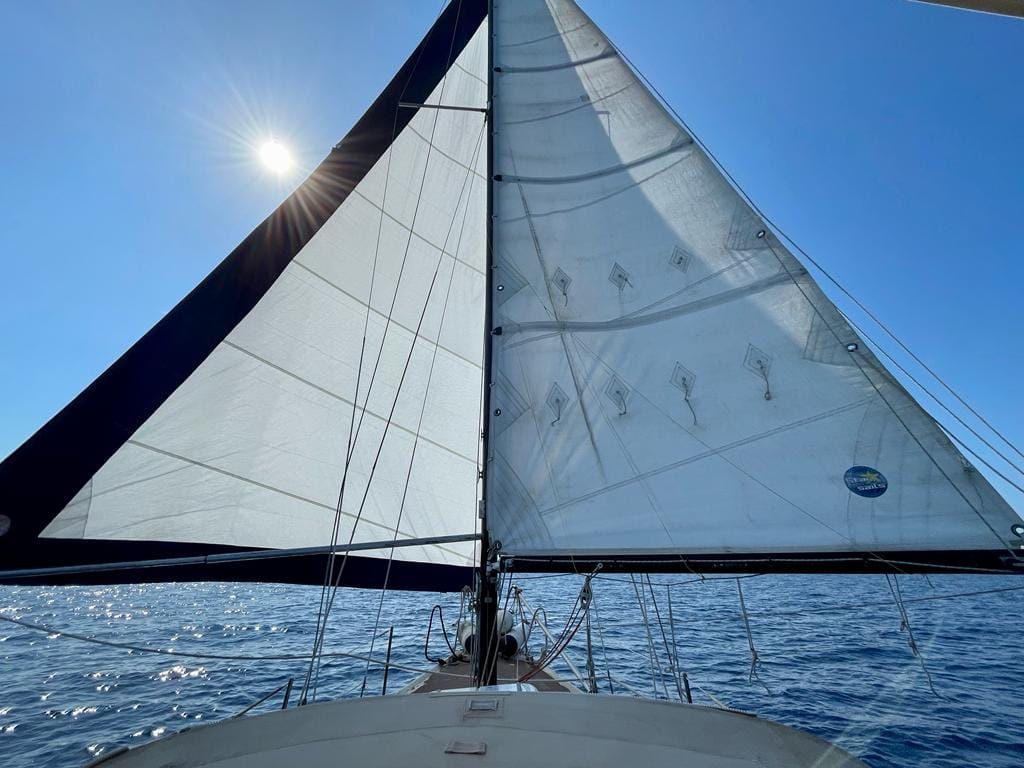
Your sailing choices can either help or harm. Small actions—like slowing down, anchoring carefully, or keeping quiet—can make a big difference for Greece’s marine life.
Sail smart. Sail slow. Sail to protect.
Provided by MOm/ The Hellenic Society for the Study and Protection of the Monk seal
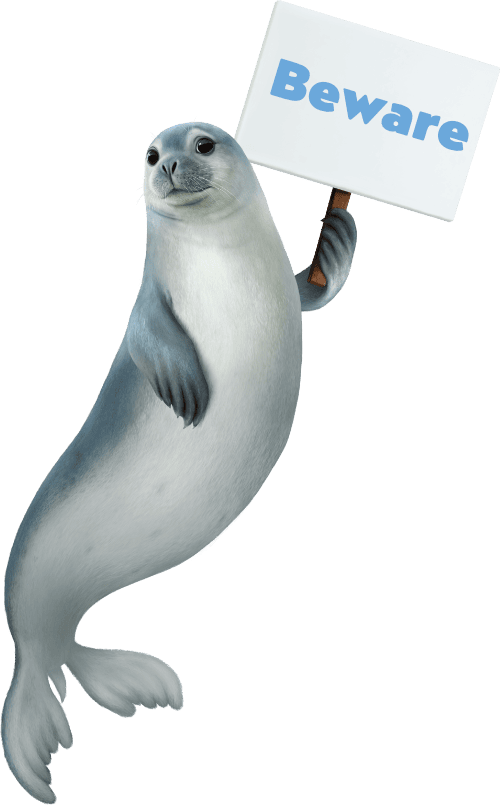
The Mediterranean monk seal (Monachus monachus) is one of the world’s most endangered marine mammals and is strictly protected by law. Any action that disturbs, feeds, touches, or harasses a monk seal is illegal and harmful to both the seal and the observer.
Whether you’re on the coast or observing from a boat, it’s essential to watch these animals responsibly and from a safe distance. Human disturbance can alter a seal’s natural behavior, sometimes with serious consequences.
You are too close if the seal:
Emergency contacts: +30 210 5222888 | +30 694 2494471
Your actions matter. Every disturbance, no matter how small, can have a long-term impact—especially on mothers with pups. Respectful viewing ensures that seals can thrive in their natural habitats, free from stress and harm caused by human interference.