About Mediterranean monk seals
©Ugo Mellone / The Wild Line
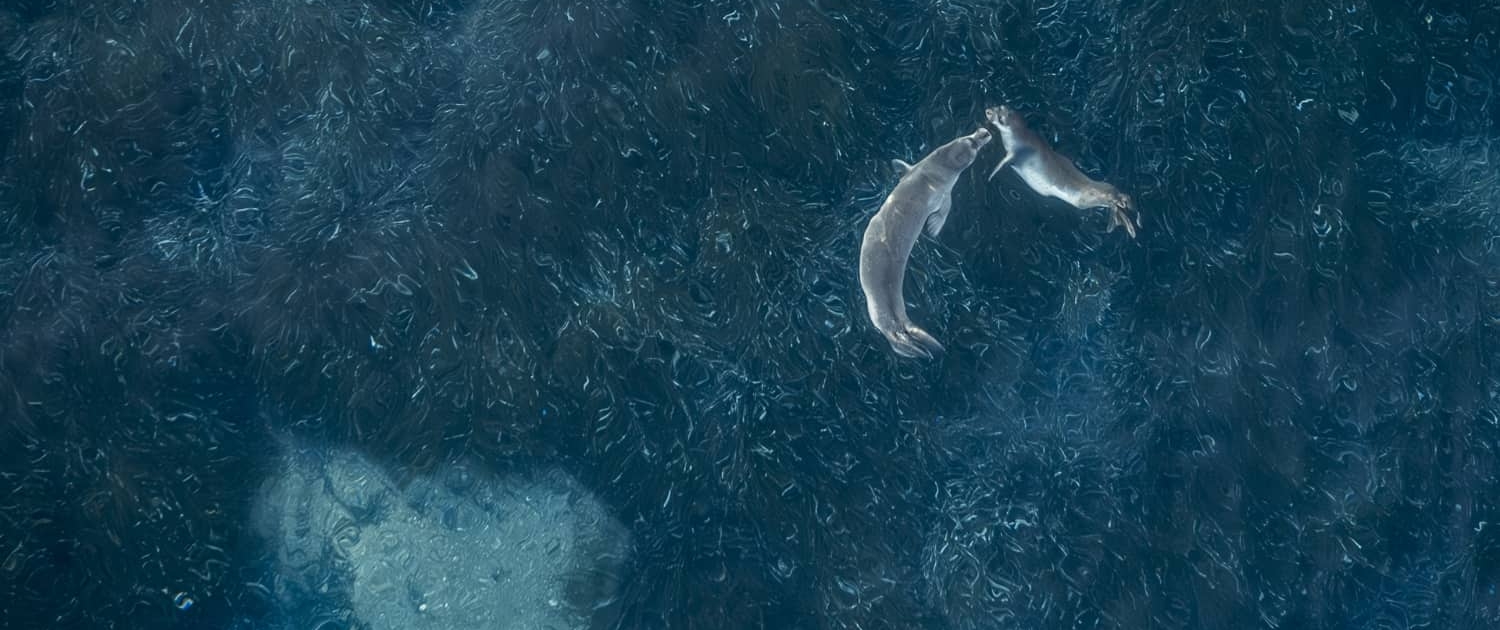
The Mediterranean monk seal (Monachus monachus) is one of the rarest and most endangered marine mammals in the world. Named by German naturalist Johann Hermann in 1779, the species’ name comes from the Greek word monachos, meaning “monk,” inspired by the seal’s cloak-like skin. Monk seals are large “true” seals, reaching lengths up to 2.8 meters and weights of 300 kg.
They have a torpedo-shaped body, no external ears, and sensitive whiskers called vibrissae that help them detect prey underwater. These seals are expert divers, able to hold their breath for up to 15 minutes and dive as deep as 200 meters. Monk seals give birth in secluded marine caves along remote coastlines, where pups stay for the first months of life.
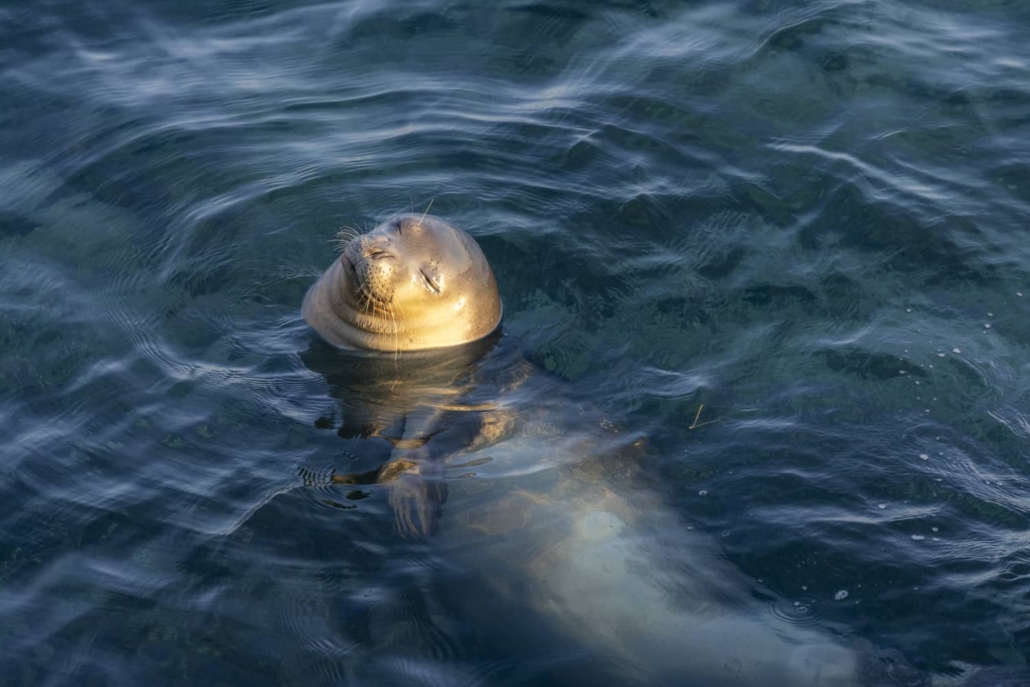
©Nicolas Bschor/Pixabay
The Mediterranean monk seal is listed as “vulnerable” by the IUCN Red List of Threatened Species, with fewer than 1000 individuals estimated worldwide. Greece holds the largest population, with around 400 seals spread across isolated islands and coastlines. Key populations thrive in the Northern Sporades, the Kimolos–Polyaigos island complex, Gyaros in the Cyclades, and parts of the Ionian Islands. These seals prefer remote, inaccessible caves with underwater entrances for pupping and resting, which provide essential shelter from human disturbance. Conservation groups have been closely monitoring these populations since the late 1980s to track their numbers and protect their habitats.
As the Mediterranean monk seal begins to slowly recover, new challenges are emerging. Increased interactions with humans—especially in tourism hotspots—are putting these rare marine mammals and their habitats at growing risk. Greece, home to a significant portion of the remaining monk seal population, has designated nearly 20% of its territorial waters as protected areas. Yet, many of these sites—particularly those within the Natura 2000 network—still lack the management plans and enforcement mechanisms needed to ensure effective protection.
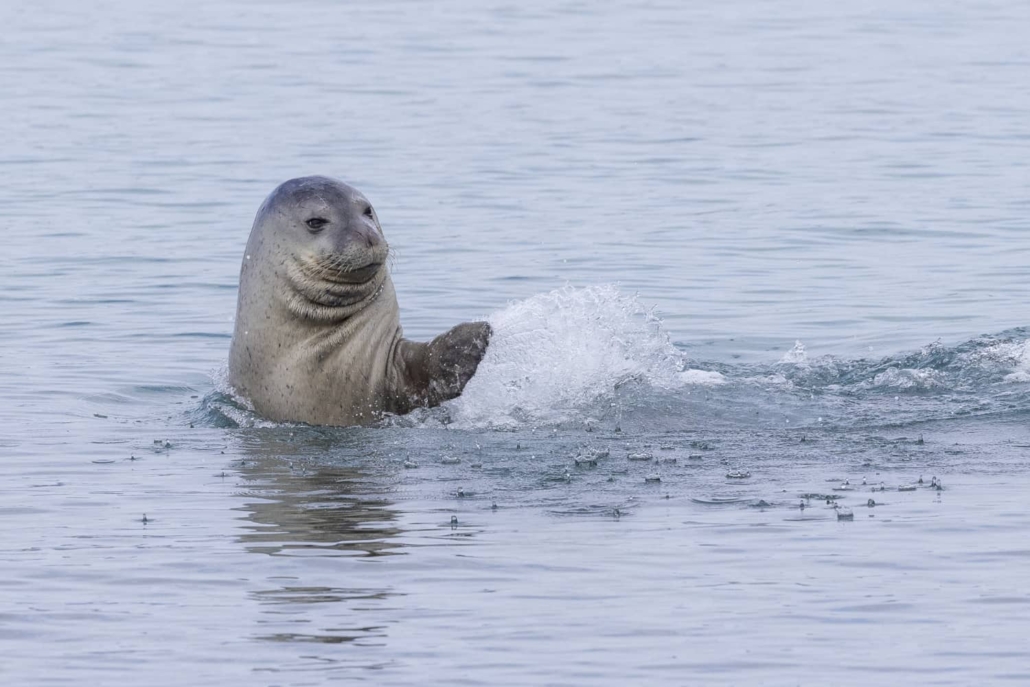
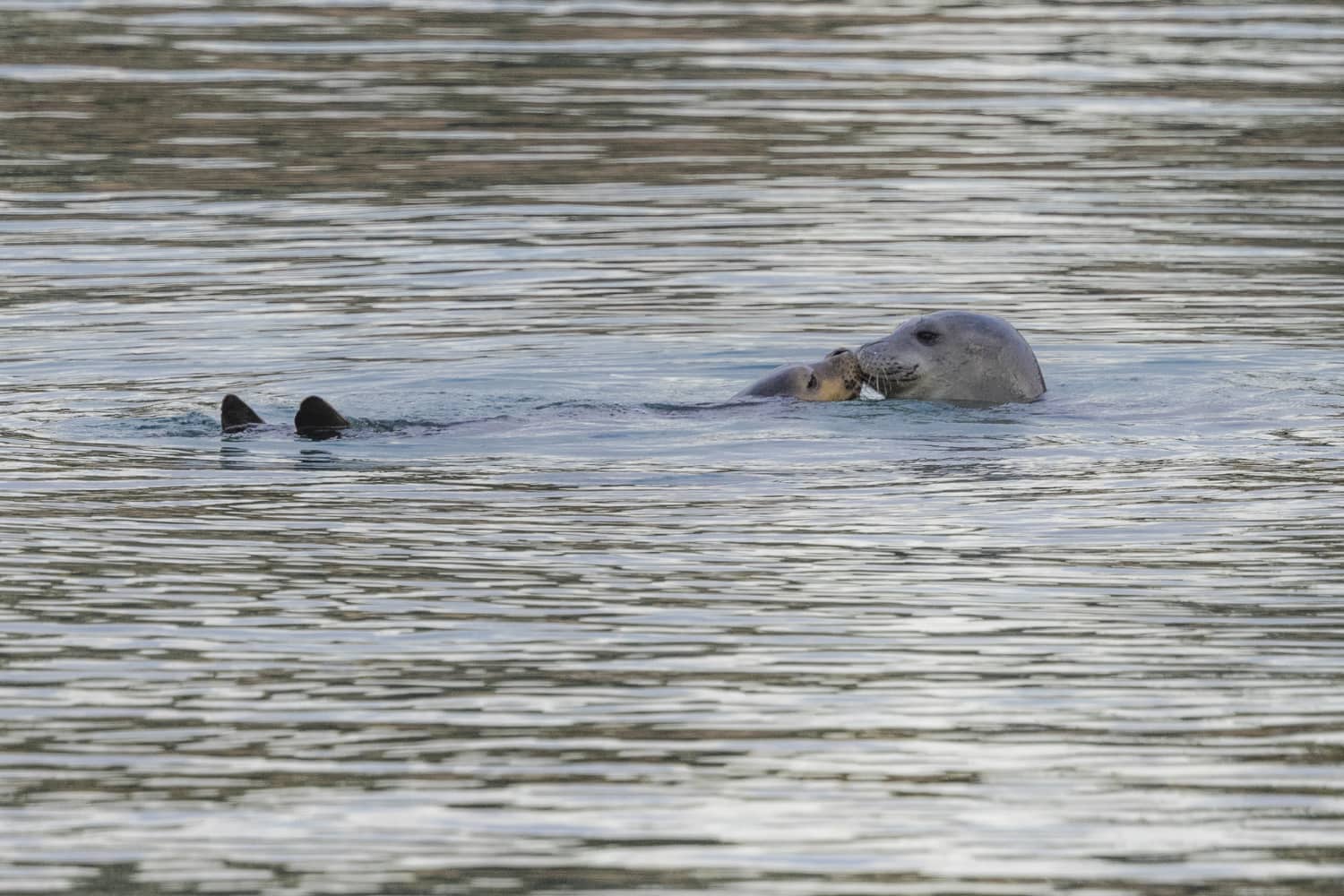
Monk seals face numerous threats, primarily due to human activity. Deliberate killing and accidental entanglement in fishing gear are the leading causes of mortality. Overfishing reduces their natural food supply, especially octopus, which is a major part of their diet. Habitat degradation from coastal development and increased tourism has forced monk seals to retreat into more marginal and less ideal environments, limiting their breeding success.
Pollution and chemical contaminants also pose significant health risks. Additionally, monk seals are vulnerable to rare but catastrophic natural events like disease outbreaks and toxic algal blooms, which can cause mass die-offs in their small populations. Despite no significant natural predators, the cumulative impact of these threats places the species at serious risk, making ongoing conservation efforts vital.